
Serving Jeddah & Makkah
Tank guide9 min readJeddah

A Monthly Water Tank Maintenance Checklist for the Time Between Cleanings in Jeddah

Professional cleaning does not replace a short monthly check. Ten minutes of regular inspection catches problems early and keeps your water cleaner between visits.

Many homeowners and building managers in Jeddah treat the tank like an appliance that is forgotten until something goes wrong: cloudy water, a smell, or weak pressure. Yet most of those problems begin with small details that are easy to notice early: a loose lid, a float valve that closes late, damp around the base, or a slight change in taste. This guide gives you a practical monthly routine that needs no special tools. It tells you what to look at, how to record it, and when to call a specialist team instead of trying things yourself. Never climb into the tank or use chemicals without proper training. The routine works best on a fixed day each month, with dated notes, because comparing one month with the next is what reveals slow changes that a single visit would miss.

Below you will find a practical look at sun exposure, water temperature, algae, the lid and vent, shading and insulation, and a simple monthly routine. If you would rather have the tank cleaned and inspected by a team, see our water tank cleaning in Jeddah page.

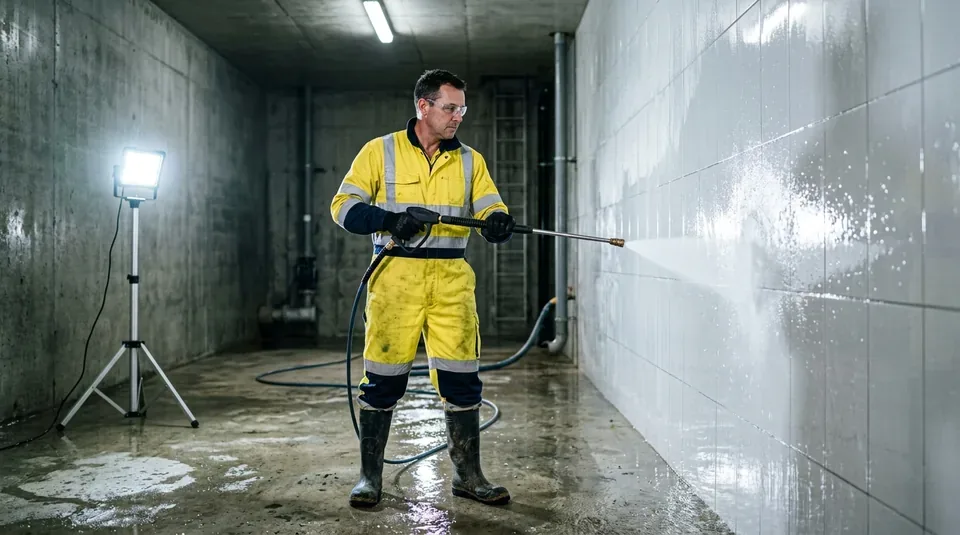
Monthly check of a water tank lid and float valve in Jeddah

Quick Summary

  • Check the lid, vents, float valve and inlet and outlet lines once a month without entering the tank.
  • Record water colour, smell and pressure in a short notebook so changes show up over time.
  • Call a specialist team when you see sediment, leaks, deep rust or a lasting smell.
  • Never enter the tank or mix chemicals; the health and technical risks are real.
Quick reference

The monthly checklist in one table

Use it each month, tick every item, and pay attention to items that keep returning with the same remarks.

ItemWhat you noticeWhat it may meanAction
Lid and openingsCracks, a loose lid or an exposed openingDust, insects or light getting inSecure or replace the lid and call a technician if it is broken
Float valve and valvesLate shut-off, overflow, or constant running soundA faulty float or excess pressureAsk a technician to inspect and replace if needed
Water colour and smellCloudy, yellowish or odd smellSediment, algae or contaminationNote the date and request an inspection if it continues
Pipes and jointsDampness, drips or rustLeaking joints or corrosionStop the leak and check the joints with a technician
Pump and pressureWeak pressure or unusual noiseA blockage or pump faultRequest a pump check and never run it with an empty tank
Paint and external insulationPeeling, dark patches or fine cracksMoisture getting in or weakening insulationPhotograph the mark and review repair needs with a specialist
In-depth guide

Eight items for an easy monthly routine

We ordered the items by how easy they are to notice, from simple outside checks to what needs a specialist.

Factor 1

Lid, openings and vents

Start by looking at the lid from outside: is it fixed in place, and are there cracks or side openings? A lid that does not close properly lets in dust, sand, insects and light, all of which raise the chance of contamination and algae growth.

Check that vents are covered with intact fine mesh; torn or blocked mesh either invites insects or stops the tank breathing. Do not open the tank more than you need to during the check.

If the lid is broken or damaged, replace it with one suited to the tank type rather than tying it down with any temporary material.

During the dusty season in Jeddah, inspect the lid after each strong storm instead of waiting for the monthly date, because dust gathered on the rim can fall in the first time the lid is lifted.

Factor 2

Float valve and inlet valve

The float valve is responsible for cutting off the water when the tank is full. If it is late or sticks, the tank may overflow, waste water and soak the roof or walls, which can cause damp in the building.

Listen for the water as the tank fills and notice whether it stops on time. A continuous running sound after the tank is full points to a fault, as does an unexplained drop in level.

Ask a qualified technician to inspect and service the float valve, and do not adjust valves yourself without experience.

If the tank feeds several flats, record when overflows happen and tell the building manager; a repeated fault may mean a part needs replacing, not just adjusting.

Factor 3

Water colour, smell and taste

Your own senses are the first inspection tool. Open the tap nearest the tank, fill a clear glass and compare the colour with last month. Clear, odour-free water is a good sign, while cloudy, yellowish or earthy-smelling water deserves follow-up.

Do not rely on taste alone to judge safety, but a lasting change in taste or smell is a signal to inspect the tank and the pipes together.

Record what you notice with a clear date; a repeated pattern matters more than a single observation.

If the tap near the tank differs from one far away, the issue may be in the internal pipes rather than the tank itself, a difference a technician can sort out.

Factor 4

Damp and leaks around the tank

Look for wet patches, outside algae or salt marks around the base of the tank and the joints. A small leak can waste a lot of water over time and weaken insulation and structure.

For a ground tank, compare any drop in level with normal consumption; an unexplained fall may mean a leak. For a roof tank, look for water marks on the ceiling or walls below.

If in doubt, stop using the leaking line where possible and request a specialist inspection.

Take a phone photo of any wet mark before and after repair; comparing pictures shows whether the leak stopped or is spreading over the weeks.

Factor 5

Rust and corrosion on metal parts

If your tank has metal pipes, ladders or supports, look for rust or corrosion. Rust may tint the water and points to high humidity and salty air, which is common in coastal cities.

Light surface rust is different from deep corrosion; in the second case a technical assessment is needed before any cleaning that might increase the damage.

Do not use strong products yourself to remove rust inside a tank holding household water.

On roofs close to the sea, metal parts may need more frequent review, and a suitable protective coating can be arranged through a specialist.

Factor 6

Pump, pressure and internal network

Ask yourself: is the pressure steady, does the pump make an unusual sound, and does it run longer than before? These are signs of a blockage, scale or a fault that needs inspection.

Never run the pump while the tank is empty because it damages it. In a shared building, report pressure changes to the manager or owners association so they are handled early.

Remember that pump servicing is plumbing work, and a tank cleaning service does not replace it.

It also helps to know where the main shut-off valve for the tank line is, so you can stop the water quickly if a sudden leak appears before the technician arrives.

Factor 7

A simple monthly log

A sheet of paper or a note on your phone is enough: the date, water colour, smell, pressure, lid and float condition, and any repair done. Over time you will see when a problem started and what changed.

The log helps the technician during inspection and reduces arguments in shared buildings about when the next cleaning is due.

Keep it shared among residents or family members so anyone can add to it.

You can also turn the checklist into a fixed monthly phone reminder; regularity matters more than length, and a few minutes a month is enough if you keep it up.

Factor 8

When to call a specialist team

Call when you see sediment, algae, a lasting smell, a leak, deep rust, a faulty float valve or a sudden drop in pressure, or when a long time has passed since the last cleaning.

We also advise an inspection after any leak, entry of unclean water or nearby building works, and before seasons when you host more guests.

Give the team your monthly log, the tank type and its size so they can judge the condition quickly.

Do not wait until the problem gets worse; an early inspection costs less and is faster than repairing accumulated damage, and it shows what the tank needs before any decision.

Common Questions

Frequently asked questions

Short answers to what tank owners in Jeddah ask most.

Is this checklist enough instead of professional cleaning?+

No. It is a preventive outside check that helps you spot problems early, while cleaning the inside and removing sediment needs a team, equipment and safety knowledge. It is a useful step between two professional visits and gives the technician better information.

How long does the monthly check take?+

Usually ten to twenty minutes for a reachable roof or ground tank, and longer in shared buildings or when there are several tanks. A fixed time each month and simple photos of what you notice help a lot.

Can I open the tank to look inside?+

You may lift the lid carefully to look without putting a hand or body inside, but never enter a tank because of the confined space, slipping risk and possible gas build-up. Some tanks also contain materials affected by frequent opening, so leave internal inspection to trained people.

What is the main sign that cleaning is needed before the due date?+

Cloudiness, visible sediment, a lasting smell, algae, or unclean water entering the tank. A colour change together with falling pressure is also worth inspecting. In every case write down the date so the technician can link the symptoms to earlier events.

Does the water need to be shut off during the check?+

Outside checks normally do not require it. Inspecting the float valve or other valves may need the feed line closed briefly, and that is better done by a technician. Never loosen a joint or valve without experience, so you do not cause a bigger leak.

Do I need a log for a single villa?+

It is useful even for one villa because it shows patterns and helps the technician understand the tank history, and it matters more in apartment buildings. The more precise the information, the more accurate and cheaper the cleaning decision.

Do you inspect and clean tanks in Jeddah?+

Yes, we offer water tank cleaning in Jeddah. Message us on WhatsApp with the tank type and what you noticed so we can set an inspection time. We do not promise results before seeing the condition, and in shared buildings we can coordinate with the owners association or landlord.

Noticed something on this month’s checklist?

Send your notes, the tank type and its approximate size, and we will suggest the right step: monitoring, an inspection, or professional cleaning.

CallWhatsAppGet Quote