
Serving Jeddah & Makkah
Tank guide9 min readJeddah

Storing Water Temporarily During a Water Cut in Jeddah: A Practical Guide to Keeping It Clean

When the water stops for hours or days, homes fill up with pots and drums without a plan, and stored water can become a worry. Here is how to store it safely.

Water can stop reaching a neighbourhood for several reasons: maintenance on the network, a late tanker, or a failed building pump. In those moments people fill whatever containers they can find, and those containers then sit for days in kitchens, stairwells or on roofs. Stagnant water in open or unwashed containers changes in taste and smell, and it becomes a friendly place for germs, algae and insects, especially in Jeddah heat and humidity. This guide explains how to choose a container, where to put it, when to replace the water, and how to treat your main tank once supply comes back.

Below you will find a practical look at sun exposure, water temperature, algae, the lid and vent, shading and insulation, and a simple monthly routine. If you would rather have the tank cleaned and inspected by a team, see our water tank cleaning in Jeddah page.

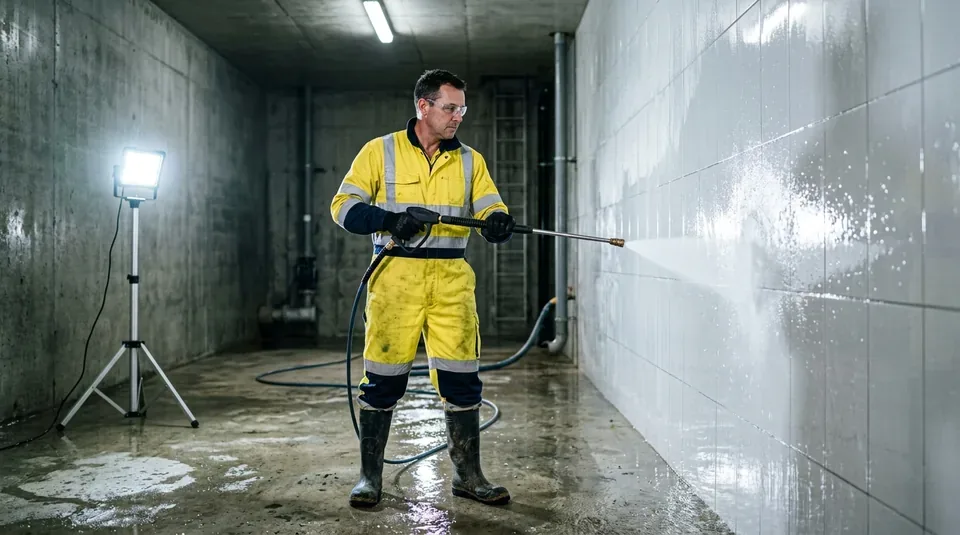
Home water tank in Jeddah during inspection and cleaning

Quick Summary

  • Use food-grade containers with tight lids, never containers that once held cleaning products or chemicals.
  • Keep containers in a cool, shaded spot away from cleaners, pesticides and wet floors.
  • Empty and wash a container before every refill; never top up old water with new.
  • When supply returns, run the taps until clear and check colour and taste before drinking.
Quick reference

Quick guide: which storage method fits your situation

The table summarises the common options for short and long water cuts and what to watch for with each one.

OptionBest forWatch out forTip
Food-grade plastic containers with lidsCuts of one to three daysLeaving them in the sun or lifting the lid constantlyWash and rinse before filling, cover, and keep in the shade
Large drums made for waterBig families or longer cutsDrums that once held chemicals or oilsUse water-only drums; empty and dry them when finished
Your existing ground or roof tankRelying on the tank between tanker deliveriesLeaving water stagnant for long periodsKeep the lid sealed and check colour and smell weekly
Bottled drinking waterDrinking and cooking during long cutsStoring it in sunlight or on wet floorsKeep sealed and check the expiry date
Open buckets and basinsFloor washing and general cleaning onlyUsing them for drinking or washing produceReserve them for cleaning and keep them away from children
In-depth guide

Eight factors for safe storage during a water cut

We explain each factor in the order a household actually needs it, from choosing the container to what happens after supply returns.

Factor 1

Choosing the right container

A container suitable for household water is one made for food or for water, with no cracks and a lid that closes tightly. Avoid anything that previously held detergents, pesticides, oils or other chemicals, even after washing, because traces can remain that the eye cannot see.

Prefer a container with a low tap or a pouring spout so nobody has to dip hands or cups into the water. Dipping an unclean cup is one of the fastest ways to contaminate stored water.

Wash the inside with water and a mild soap, rinse until the soap smell is gone, and let it dry if possible before filling.

Factor 2

Where to keep it and how warm it gets

Heat is the enemy of stored water in Jeddah. A container in the sun or on an open roof warms the water, wakes up microbes and changes the taste. Choose a shaded place away from sunny windows and heat sources.

Put containers on a slightly raised base rather than on a wet floor or next to drains, and never leave them beside cleaning products, pesticide cans or rubbish bags.

If you have children, secure large containers so they cannot tip over and make sure the lids are not easy to open.

In dusty areas add a clean secondary cover while keeping the main lid tight; dust and sand enter through the smallest gaps and settle at the bottom.

Factor 3

How long to store and when to change the water

There is no magic number that fits every home. The safe period depends on how clean the container is, how warm the room is, how tight the lid is and the quality of the original water. The practical rule is to keep storage time as short as you can and replace the water whenever conditions allow.

If the cut continues for days, empty the container fully and wash it before each new fill; do not pour fresh water on top of old. If you notice an odd smell or colour, use the water for cleaning only or discard it.

Writing the last fill date on a durable label means everyone knows the age of the water instead of guessing.

For drinking and cooking in particular, sealed bottled water from a known source is the better choice during long cuts, until your tank is back to normal.

Factor 4

Drinking water versus cleaning water

Not all stored water suits every purpose. Dedicate certain containers to drinking and cooking and others to floors, bathrooms and general cleaning, and label each one so family members do not mix them up.

Do not use water from open containers to wash fruit and vegetables eaten raw or baby bottles, and never put hands or cleaning tools into drinking containers.

If you doubt the water, rely on trusted bottled water and ask the relevant health authority about suitable treatment rather than experimenting with unknown products.

Factor 5

What to do when the water comes back

Returning water can carry sediment and air from the pipes. Open the outdoor taps and shower taps first and let the water run a few minutes until it clears before using kitchen water.

If your main tank stayed low or empty for a while, watch the colour and taste of the water entering it and check the lid and float valve. Sediment or a lasting change is a sign the tank may need inspection and possibly professional cleaning.

Read our guide on tank inspection signs before cleaning, and make sure the building pump and float valve are working properly.

If you fill from a tanker, ask the driver where the water came from and watch its colour at the first pump; heavy cloudiness at the start is a reason to pause and re-check before use.

Factor 6

When repeated cuts point to an internal problem

If cuts keep happening with no announced network work, the cause may be inside the property: a stuck float valve, a weak pump, a leak in the feed line, or sediment blocking outlets. Temporary storage then postpones the problem instead of solving it.

Note when the water stops, whether neighbours are affected or only your flat, and whether it returns cloudy. This helps a technician tell whether the fault is in the public network or in the tank and plumbing.

When you request tank cleaning, tell the team what happened during the cut, how long it lasted and which containers you used.

Factor 7

Insects and mosquitoes around containers

Open containers, or lids that do not fully close, attract mosquitoes and small flies, and insects can lay eggs in still water within a few hot days. Fit the lid firmly and cover any ventilation opening with fine mesh.

Do not leave storage containers near floor drains, old basins or places where cockroaches and rodents gather. If you see larvae or insects in the water, discard it and wash the container well before reuse.

If the problem repeats, look for moisture sources around the property; our household pest guides may help.

Factor 8

A checklist before an expected cut

When network maintenance is announced or you expect a late tanker, prepare early instead of filling in a rush. Clean the containers the day before, pick a shaded spot, and estimate the daily needs of the household for drinking, cooking, bathing and cleaning.

Prepare clean pouring cups and labels for the different uses, and check that the pump and float valve work before the cut so a second fault does not surprise you.

Afterwards keep short notes on how long the cut lasted and any change in the water; they help if you later request an inspection.

Common Questions

Frequently asked questions

Short answers to what tank owners in Jeddah ask most.

How many days can water be stored in a household container?+

There is no single period that fits everyone, and shorter is always better. If the container is clean, covered and kept somewhere cool, the water may stay usable for household purposes for several days, but for drinking we prefer regular replacement or sealed bottled water. Any change in smell, taste or colour means stop drinking from it.

Can I use second-hand drums to store water?+

Do not use drums that carried oils, chemicals or detergents, even after washing. Prefer containers made for food or water. If you must use a second-hand one, confirm where it came from and that it never held harmful materials, and limit it to cleaning use if in doubt.

Should I add tablets or disinfectants to stored water myself?+

Products and doses differ, and a wrong dose can cause harm. Do not experiment with unknown substances or mix chemicals. If you need to treat water for drinking, follow a licensed product label exactly or ask the relevant health authority.

What is the best way to store water in summer?+

Keep containers in the shade away from sunny windows, close them tightly and lift them off damp floors. Avoid open roofs, because heat speeds up changes in the water. If you depend on a roof tank, see our guide on roof tanks in summer.

Does the tank need cleaning after a long cut?+

Not always, but if the tank stayed low or empty, or you see cloudy water, a smell or sediment after supply returns, it is better to inspect it. Regular cleaning depends on usage and the age of the tank, and our frequency guide explains the details.

Why does water taste different after storage?+

Taste can change because of heat, the container material, or water sitting still, and sometimes it points to contamination or algae. If the change continues after you clean the containers and refresh the water, the tank or plumbing may need inspection.

Do you clean tanks after a water cut?+

Yes, we offer water tank cleaning in Jeddah. Message us on WhatsApp with the tank type, the water condition and the length of the cut so we can set an inspection time. We do not promise results before inspection, and we explain the steps clearly.

Need your tank inspected or cleaned after a water cut?

Send the tank type, approximate size, how long the cut lasted and what you noticed in the water, and we will arrange a suitable inspection and cleaning.

CallWhatsAppGet Quote