
Serving Jeddah & Makkah
Water tank guideJeddahJeddah

Water Tank Inspection Before Cleaning: Signs to Watch and Safe Preparation in Jeddah

Before you book a tank cleaning you can inspect from the outside and read signs in your tap water that help pinpoint the problem and prepare the visit properly.

Home tanks in Jeddah face heat, dust and changing water levels, and many go years without a look. A delay in cleaning does not always show on the outside, but the water, pumps and filters tell you when a tank needs attention.

This guide does not replace professional cleaning and does not encourage anyone to enter a tank. It shows how to check what can be checked safely, the lid, vent, float and leaks, how to read the signs in your water, and how to prepare the house for cleaning day.

If your questions are about algae and sediment, see our guide on tank sediment and algae; this one focuses on inspection and preparation.

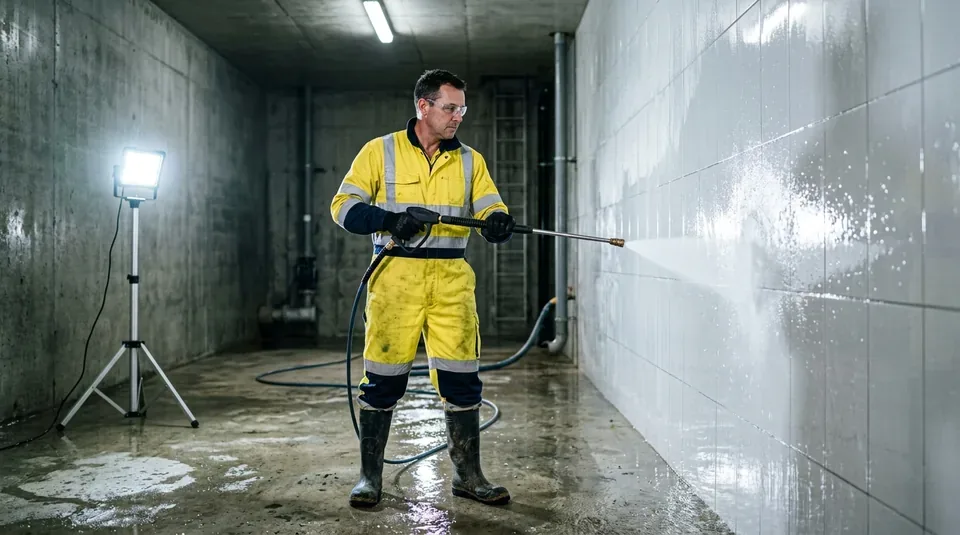
Technician inspecting a roof water tank on a villa in Jeddah before cleaning

Quick Summary

  • Check the tank lid, vent and screen from outside before judging the inside.
  • Signs such as cloudy water, a smell or sediment in filters justify cleaning and a closer look.
  • Never enter the tank or lean into an open hatch, because confined spaces are dangerous.
  • Arrange an alternative water supply for cleaning day and tell the household and neighbors if needed.
  • Note the tank type, capacity and location because they decide the time and equipment.

Lid, vent and screen

Check that the lid closes tightly and is not cracked, and that the vent opening has an intact screen. Tiny gaps let in dust and insects and sometimes birds. Also note whether stains or standing water on the lid could seep inside.

If the lid is bolted or locked, leave opening it to the crew.

Outside inspection points

  • Lid condition and seal
  • Vent screen
  • Cracks or openings in the body
  • Condition of pipes and joints
  • Tank location and access

Float, overflow and leaks

Make sure the float shuts off when the tank is full, the overflow pipe is not constantly dripping, and there is no unusual dampness around the tank and its joints. A rise in consumption with no reason may point to a leak.

Float or valve problems should be handled by a plumber before or alongside cleaning.

Caution

Do not climb onto a wet roof or lean over the edge of a roof tank without securing yourself. Falls from height are among the biggest risks in this work.

Pump, pipes and filters

Listen to the pump: does it run steadily or cut in and out repeatedly? Check the main inlet filter and tap filters, because sand or sediment in them shows what is happening inside the tank.

Take photos of what you see to show the crew.

Water signs

Signs in the water and filters worth noticing

This table links each sign to a likely explanation and a first action.

SignPossible explanationFirst actionWhen to book cleaning
Cloudy or unusual colorSediment, rust or disturbed bottom layerLet the water run and see if it repeatsIf it repeats or stays cloudy
Strange smell or tasteOrganic growth or stagnationDo not drink it and check the sourceAs soon as possible if it persists
Sand or sediment in the filterBuild-up on the bottom or in pipesClean the filter and note how oftenIf it returns within days
Low pressureClogged filter, sediment or pump problemCheck filters and the pumpIf it does not improve after checking
Green marks on the lid or wallMoisture, light and surface growthClean what is visible and check the sealIf green water appears
Building work nearbyDust and debris may enterClose openings and watch the waterAfter the work finishes

The smell comes before the stain

A musty, damp-earth smell is an earlier signal than the stain itself. If you notice it when opening a room or wardrobe after a long closure, look for the source rather than covering it with air freshener; fragrance hides the warning without fixing the cause.

Watch paper, books and cardboard boxes too, since they absorb moisture quickly and act as early indicators. Paint that bubbles or flakes, or white salt crust on a wall, usually points to rising damp or a leak rather than a surface stain.

Telling mold from dirt and scale

Not every dark mark is mold. Dirt, smoke and soap residue can look similar. A simple test: wipe a small area with a damp cloth and a mild household cleaner. If it lifts easily it is probably dirt; if it returns quickly in the same place with a damp smell, suspect mold.

White, rough deposits in bathrooms and kitchens are mineral scale from water, not mold, and need a different treatment.

Confined space hazards

Closed tanks can be poorly ventilated, may hold gases or lack oxygen, and have narrow, slippery hatches. The work needs ventilation, safety equipment and experience, and no one should ever enter alone.

Even spraying disinfectant without knowing the concentration can harm the tank, pipes and water.

Basic safety rules

  • Never enter the tank alone
  • Do not mix chemicals
  • Set the ladder on level ground
  • Keep children away from the hatch
  • Use the water only after enough rinsing

What does the crew usually do?

Drain what is needed, remove sediment and the layer clinging to the walls, wash and rinse the tank, then check the lid and vent before refilling. Details vary with the tank and its condition, so ask about the steps before you agree.

Read our guide on tank sediment and algae to understand what is removed and what cleaning alone will not solve.

The day before

Tell the household and neighbors if the tank is shared, store drinking and household water for the cleaning day, and keep the house open at the booked time. Close the lines that feed sensitive appliances if you are asked to.

Mark the tank location and access route and move furniture and items out of the way.

What to prepare before the visit

  • A backup water source for cleaning day
  • A clear route to the tank
  • A place to drain the emptied water
  • Information on capacity and type
  • Photos of the lid and entry

What to say when booking

State whether the tank is ground or roof, the approximate capacity, when it was last cleaned and which signs you noticed. Mention any building work or leaks as well.

Then message us on WhatsApp with photos of the tank and we will set the time and preparation with you.

FAQ

Common questions about inspecting a water tank before cleaning in Jeddah

Short answers to what people ask before a tank cleaning visit.

How do I know my tank needs cleaning?+

Look for cloudy or unusually colored water, a taste or smell, sediment in tap and heater filters, and changes in pressure. One sign alone does not settle it, but any of them is reason enough to inspect the tank or book a cleaning.

Can I open the tank myself and look?+

You can look from the outside and check the lid, but do not enter the tank or lean into the hatch without safety equipment. Confined spaces can have low oxygen or fumes, so leave entry to a trained crew.

How often should a water tank be cleaned?+

It varies with tank type, dust levels and incoming water quality, and many authorities suggest periodic cleaning about yearly or less often depending on condition. Signs in the water or nearby construction may bring it forward.

Must the tank be emptied before the team arrives?+

A lower water level makes the work easier, but agree the timing with the crew so the household is not without water for long. Plan an emptying time and a backup water source for the day.

How long does a tank cleaning take?+

It depends on capacity, access and the condition inside, which is why we need approximate capacity, type, location and a photo of the lid and entry to give a realistic time.

Do ground and roof tanks need different preparation?+

Yes. A ground tank needs a place to drain the water and safe access, while a roof tank needs a ladder, a safe roof and protected pipe routes. State the tank type when booking.

What should I do with the water after cleaning?+

Let the tank refill, then run the taps until the water runs clear before using it, and note any smell or color. If the signs continue, contact us for a recheck.

Does tank cleaning replace changing filters?+

No. Filters and purification units have their own schedule, and if they are old or clogged you should replace them according to the manufacturer after the tank is cleaned.

Ready to Book a Cleaning Visit in Jeddah?

Send us the property type, size and what you want cleaned on WhatsApp and we will arrange the details and the right preparation.

CallWhatsAppGet Quote