
Inspecting Hidden Standing Water: Planter Saucers, AC Condensate Trays, Fountain Basins & Roof Drains
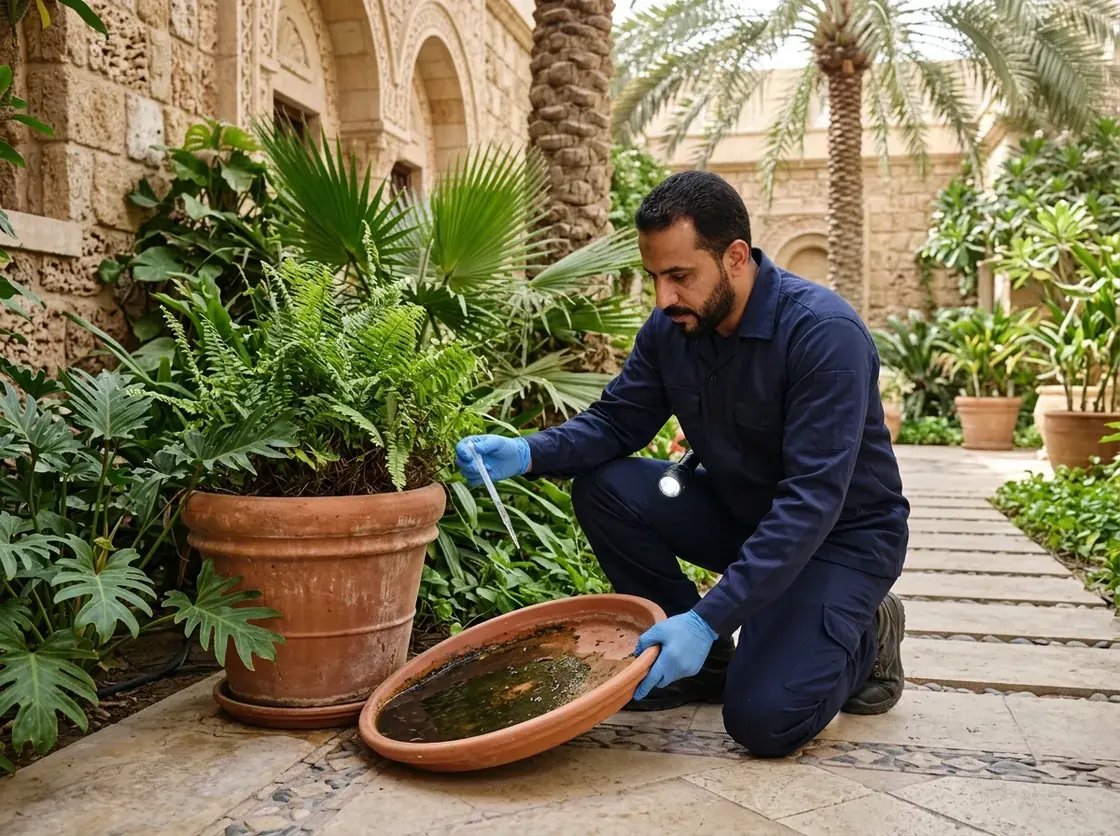
The fundamental biological rule of mosquito control is that every single mosquito requires stagnant water to complete its larval and pupal stages. Many homeowners in Jeddah and Makkah assume that mosquitoes only breed in large marshes or neglected lakes. In reality, urban container-breeding species—particularly Aedes aegypti—prefer tiny, clean water accumulations right next to human dwellings. A female mosquito can lay dozens of eggs along the damp inner rim of a plastic flowerpot saucer or a bottle cap holding less than a centimeter of water; those eggs resist drying out and hatch as soon as the next watering cycle submerges them.
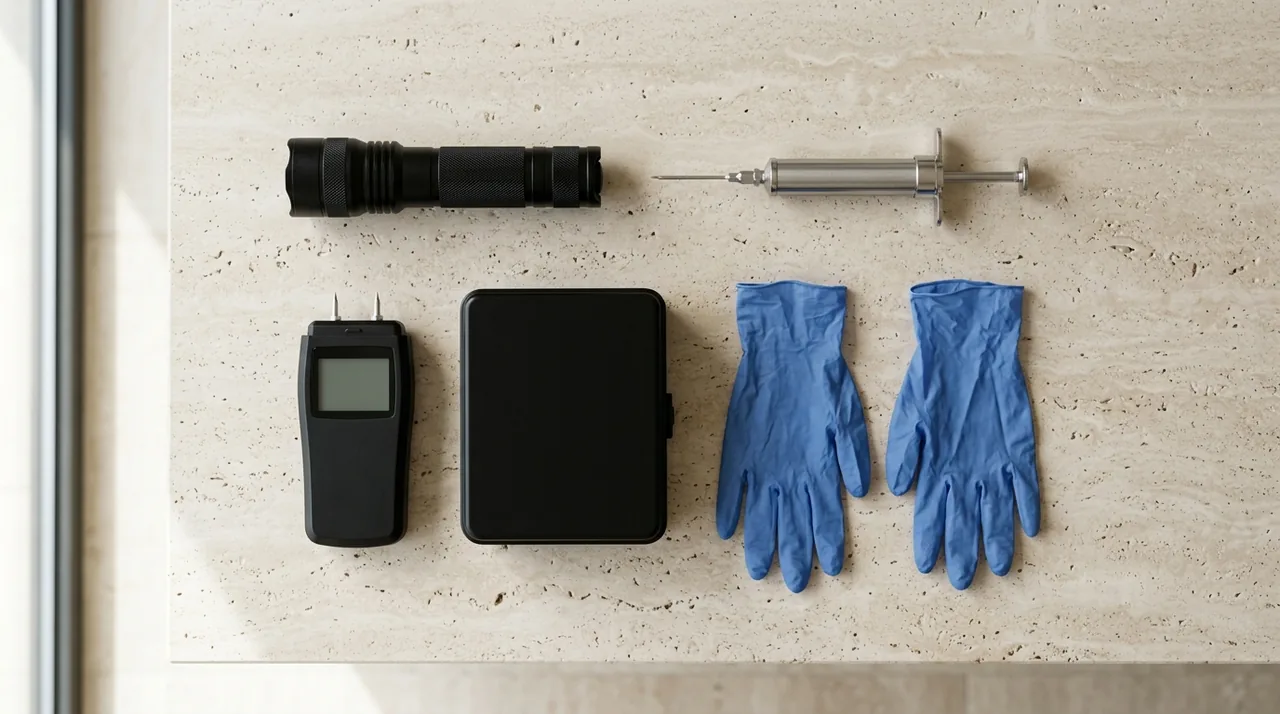
During an Al Awael inspection, our technicians hunt for "forgotten water" across every level of the property. This includes plastic and ceramic trays beneath indoor and balcony plants, recessed tree wells, unwashed outdoor pet or bird water bowls, and hollow decorative garden ornaments. Equally critical in Saudi Arabia are air-conditioning condensate lines: a single split-unit AC can discharge several liters of water daily into a shaded side setback or rooftop depression, forming a permanent, algae-rich puddle shielded from direct sunlight.
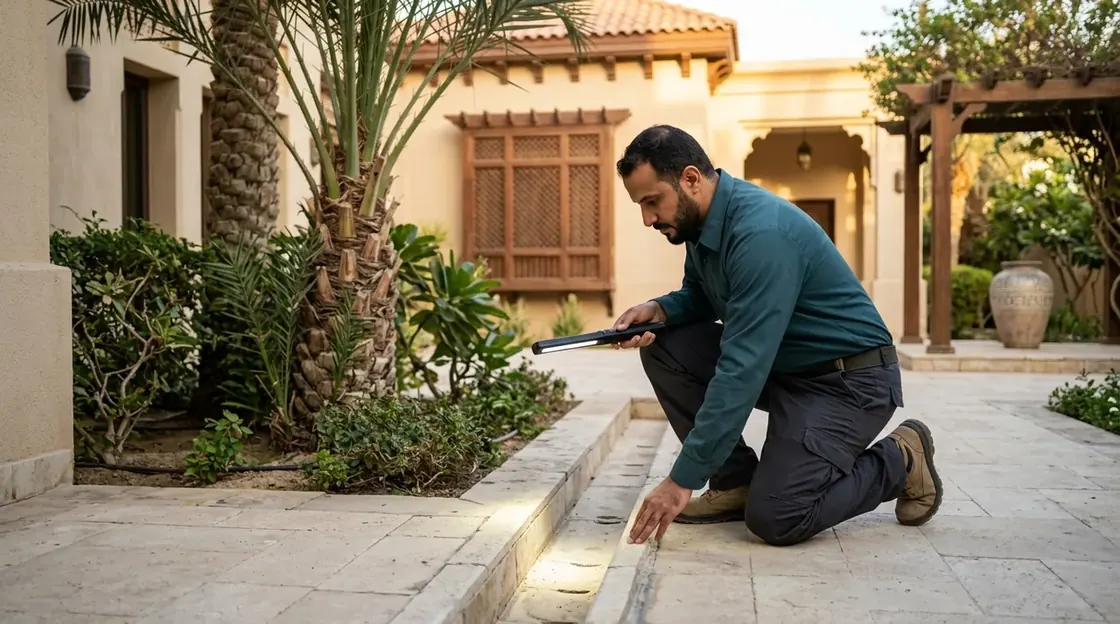
Our audit also covers structural drainage and storage systems, including switched-off courtyard fountains, waterfall basins, grated trench drains clogged with wet leaves, flat-roof rainwater scuppers, and ground water tank inspection covers. By draining removable containers and applying specialized larvicides or insect growth regulators to fixed water traps, we shut down the property’s internal mosquito factory before larvae can emerge as flying adults.
- Empty and scrub flowerpot saucers twice weekly, or fill saucers with fine gravel so water stays below the surface out of reach of egg-laying females.
- Route AC condensate drain hoses directly into sealed plumbing drains rather than letting them drip freely onto concrete setbacks or rooftops.
- Run ornamental fountain pumps daily to keep water agitated, or drain the basin completely whenever the fountain is turned off for more than three days.
- Clear fallen leaves, soil, and debris from courtyard floor drains and rooftop rainwater scuppers so water cannot pool behind blockages.
- Ensure underground and rooftop water storage tank covers fit tightly and that overflow pipes are fitted with fine corrosion-resistant mesh screens.