
Serving Jeddah & Makkah
Water tank guide8 min readJeddah

Signs of a Damaged Water Tank Lid, Vent Screen or Insulation in Jeddah and What to Do About Them

Tank water can be clean on the day of a cleaning and still get contaminated through a small gap. Here is where to look and when to act.

The lid and vents of a tank are the doorways through which dust, insects and birds reach your household water. In Jeddah, with its dust, humidity and strong sun, lids and insulation wear out faster than many people expect.

Below we list the signs that point to a damaged lid, vent or insulation layer, and separate what you can safely check yourself from what deserves a specialist. For our own service, see water tank cleaning in Jeddah.

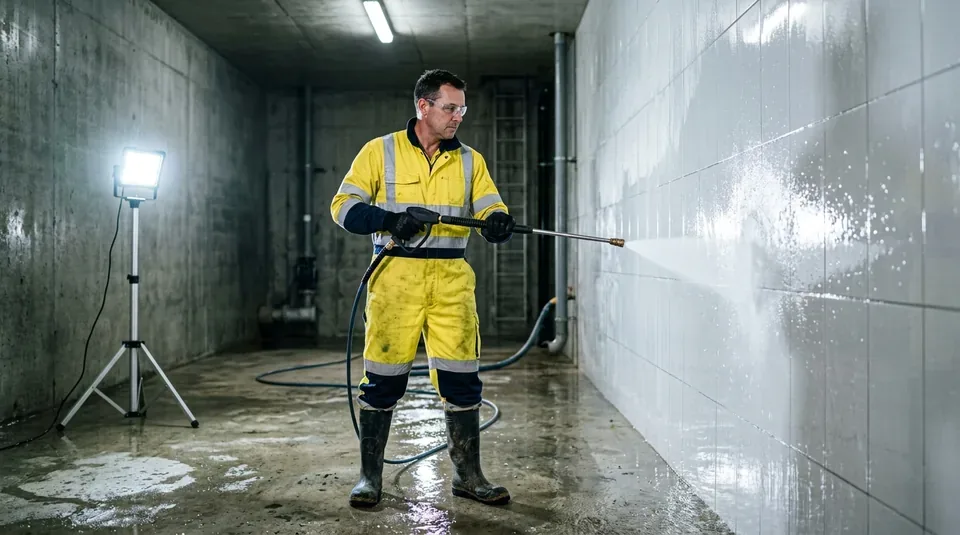
Technician pressure-washing the inside of a water tank in Jeddah

Quick Summary

  • Check the lid from outside once a month; do not open it if reaching it is unsafe.
  • Look for gaps, cracks, warping, rust or discoloured plastic.
  • Make sure the vent screen is intact and not clogged.
  • Never enter the tank or climb onto a roof in unsafe conditions; ask a specialist.
Quick table

The sign, what it usually means, and what to do

Use the table as a starting point: the closer a sign is to the water itself, the faster you should act.

SignWhat it usually meansUrgencySuitable action
A gap between lid and openingDust, insects and possibly birds can get inHighHave a suitable lid fitted by a specialist, then clean the tank if needed
Vent screen torn or blockedInsects can enter, or air movement is restrictedMedium to highReplace the screen and clean the vent safely
Cracked or peeling coating or outer insulationThe wall is exposed to heat, and a slow leak is possibleMediumHave it assessed and re-insulated before summer
Light inside, or algae soon after cleaningThe lid is not blocking light, or a hidden opening existsHighCheck every opening, then clean the tank after the repair
In detail

Eight checks that reveal a damaged lid, vent or insulation layer

We walk around the tank from outside to inside: lid, vent, walls and insulation, and finally the signs that show up in the water itself.

Check 1

Why contamination so often starts at the lid

After a tank has been cleaned of sediment the water is still exposed to whatever enters from above. A cracked or poorly fitting lid lets in the fine dust that Jeddah winds carry, and that dust settles on the bottom over the following weeks.

Small insects, birds and even rodents can slip through gaps of only a few centimetres, and nobody notices until the taste or colour of the water changes. Checking the lid is therefore the quickest, cheapest protection you can give the tank.

Regular outside checks also stretch the time between cleanings, because they stop the cause of contamination rather than treating its result.

Check 2

A lid that does not close tightly

Look at the lid from outside: does it sit flat on the opening, is there a gap visible from the side, are the hinge and bolts sound, is the rim bent by heat or weight? Any gap you can see light through is an entrance for dust.

Metal lids can rust and corrode along their edges in Jeddah’s humid, salty air, and plastic ones can crack and lose flexibility after years of direct sun.

Do not patch a lid with cloth or wood. These hold moisture and become a source of contamination themselves; the answer is a proper lid, fixed securely.

Check 3

Vent openings and their screens

A tank needs a vent so air can move as it fills and empties, and that vent must be protected by a fine screen. A torn or missing screen invites insects, while one clogged with dust can hinder airflow.

Inspect the screen from outside: is it intact and firmly fixed, has a thick layer of dust built up, are there insect nests or bird debris nearby? Clean it with a soft dry brush without pushing the dust into the opening.

If the tank is at ground level, also make sure the vent is not at a point where rain or floor-wash water can collect and run in.

Check 4

Cracks and leaks around the tank and pipes

Damp patches on the outer wall or around where pipes enter and leave, or green algae along the base of a roof tank, point to a slow leak. A leak can let outside material in just as it lets water out.

Leaks in ground tanks are hard to see, so watch for dampness in nearby floors and walls and for a water bill that climbs for no clear reason. Do not try to dig or break anything yourself.

Any suspicion of a leak deserves a specialist inspection, because fixing it usually means draining the tank and cleaning it afterwards.

Check 5

Insulation and outer coating under the Jeddah sun

An exposed roof tank takes serious heat in summer, and an insulating layer or reflective coating limits how warm the water gets and protects the wall from cracking. Flaking paint or a cracked insulating layer means the wall is directly exposed.

Warmer water encourages algae and odours, as we explain in our guide to <a class="underline" href="/en/guides/roof-water-tank-summer-heat-sun-exposure-jeddah">roof tanks and summer heat</a>.

The best time to renew the insulation is before summer begins, using a specialist who knows which materials suit tanks that hold household water.

Check 6

Signs in the water and inside the tank

Damage may show first in the water: cloudiness that returns soon after cleaning, fresh green growth, or tiny insects floating. These suggest that light, air or insects are finding a way in.

When the lid is opened safely you should not see strong light entering from anywhere except the opening itself. Light coming through wall cracks means cracks that need examining.

Look at the water surface too: dust, fluff or dead insects floating there show that the lid is not doing its job.

Check 7

What to check yourself and what to leave to a specialist

An outside check from a safe place, looking at the lid, screen, wall and any damp patches, is something anyone can do. Climbing onto a roof in intense heat, strong wind or without edge protection is not worth the risk.

Never enter the tank yourself; it is a confined space that may hold stale air or slippery surfaces. Do not mix cleaning products in the tank or use anything not made for drinking-water use. These risks are covered in our <a class="underline" href="/en/guides/diy-water-tank-cleaning-risks-when-to-call-professionals-jeddah">guide to the risks of DIY tank cleaning</a>.

If the lid or insulation needs repair, bring in a specialist, then have the tank cleaned afterwards to remove whatever came in before the fix.

Check 8

A monthly routine and a pre-summer inspection

Make the check a short monthly habit: lid closed and level, screen intact, no dampness around the tank, water colour and taste as usual. Note the date and observations so you build a picture of how the tank changes.

Before summer begins, do a closer inspection of the insulation, coating, hinges and bolts, because the hot months multiply any damage. If you find a defect, fix it before the temperature climbs.

In a shared building, agree who carries out the monthly check and who contacts the specialist, so a defect is not left for months with everyone assuming it is someone else’s job.

Common Questions

Frequently asked questions

Short answers to what tank owners in Jeddah ask most.

How often should I check the tank lid?+

A quick outside check once a month suits most homes, with a closer look before summer and after dust storms or heavy rain. If you notice any change in the water, check at once.

Can I close a gap in the lid myself?+

Temporary patches with cloth or wood are not advised because they hold moisture. A suitable lid that seals the opening properly, fitted by a specialist, is better, followed by a tank cleaning if dust or insects got in.

Is the vent screen really necessary?+

Yes. A tank needs airflow while it fills and empties, and a fine screen stops insects entering with that air. A missing or torn screen should be replaced rather than leaving the vent open.

Does insulation affect water quality?+

Insulation does not replace cleaning, but it limits how hot the water gets in a roof tank, and heat encourages algae and odours. Good insulation is part of looking after the tank.

What is the first sign that a lid is damaged?+

A visible gap between lid and opening, light entering along its edge, dust on the water surface soon after a cleaning, or tiny insects floating on top.

Do I need to clean the tank after repairing the lid?+

Usually yes if the opening was exposed for some time, because dust and insects that came in settle on the bottom. If the repair was preventive and nothing entered, watching the water may be enough.

Should I climb onto the roof to check a roof tank?+

Not if the roof has no edge protection, the heat is intense or the wind is strong. Checking from below, or using a trained person with protection, is safer, and you should never enter the tank itself.

Worried about your tank lid or vents?

Send us a photo of the lid, the tank type and its location in Jeddah, and we will point you to the right step before or after cleaning.

CallWhatsAppGet Quote