
Serving Jeddah & Makkah
Tank Guide10 min readJeddah

Cleaning Your Water Tank Yourself in Jeddah: What Is Safe and When to Call a Professional

Some tank care tasks are simple and safe, but entering the tank and disinfecting it are not, and the difference can mean a clean tank on one side and an accident or contaminated water on the other.

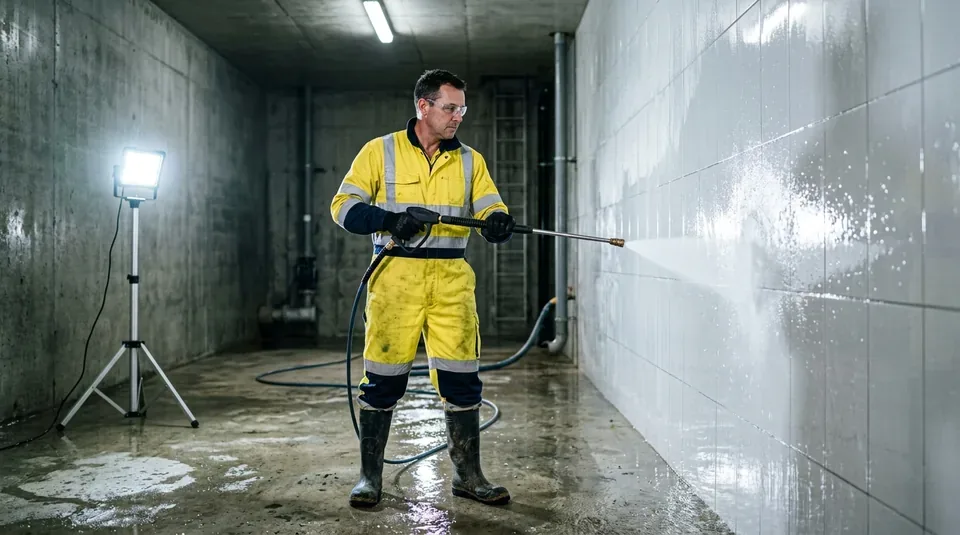
Some homeowners think of saving money by cleaning the tank themselves or hiring an unspecialized worker. That decision deserves care, because a tank is a confined space with real hazards and because a mistake in disinfection or rinsing goes straight into drinking water. This guide honestly sets out what you can do safely and what is better left to a trained crew.

If you decide to bring in a specialist, the service details are on our water tank cleaning in Jeddah page.

Water tank cleaning in Jeddah

Quick Summary

  • Do not enter the tank yourself: it is a confined space.
  • Never mix cleaners or use products not meant for drinking water.
  • You can safely check the lid and vents and clean tap filters.
  • Removal, disinfection and rinsing belong to a trained crew.
Quick reference

What you can do and what to leave to a specialist

A practical sorting by level of risk.

TaskCan you do it?ReasonSafe alternative
Check lid and vent meshYesSimple outside workRecord condition and fix damage
Clean tap filtersYesNot the tank itselfRinse and refit
Open the lid and look from aboveWith careFumes and slippingWithout putting head or body in
Entering the tankNoConfined space and dangerA trained crew with equipment
Chemical disinfectionNoDosage and drinking-water safetySuitable products and procedure
Pump and electrical repairNoElectrical hazardA qualified technician
In-depth guide

Seven reasons DIY tank cleaning is risky

Understand them so you decide knowingly.

Reason 1

A tank is a confined space, not an ordinary room

Confined spaces are not designed for occupancy, have limited ventilation, and may have reduced oxygen or accumulated fumes. Water tanks fit that description, especially after cleaning products are used.

A person can feel sudden dizziness or lose consciousness inside a tank with no warning, and rescue is hard if they are alone. That is why nobody enters without an observer outside, protective equipment and ventilation.

Even a tank that looks empty and roomy can hide slippery surfaces and a wet floor that cause falls. The golden rule: do not enter unless you are trained and equipped, and never let a child or teenager go down to help.

Reason 2

Mixing cleaners can produce toxic gases

One of the most dangerous things people do is mix household cleaners hoping for more power; some mixtures release gases harmful to breathing, and in a confined space such as a tank the danger multiplies. Never combine products.

General cleaners are also not made for drinking water, and their residue can stay on the walls and pass into the water. What is needed is products suitable for drinking water at measured concentrations and a full rinse.

If you smell a sudden strong odor, leave, ventilate and move the family away. Do not ignore symptoms such as coughing, shortness of breath or watering eyes, and see a doctor if any appear after exposure.

Reason 3

Wrong disinfection is worse than none

A bigger dose may seem to mean cleaner, but an excess leaves an odor and taste in the water and can damage the tank, while too little does not eliminate microorganisms. Disinfection also fails above a thick layer of sediment.

Correct disinfection needs sediment removed first, then a suitable product at the right concentration and contact time, then a complete rinse. Do not rely on rumors about home quantities.

Any step done wrongly brings the same problem back within days. You may believe the tank is clean while fine sediment remains on the bottom, so a visible result does not necessarily reflect water safety.

Reason 4

Tools, electricity and water do not mix

Using electric drain pumps or pressure washers inside or beside the tank without isolation and protection exposes you to electric shock, especially in damp conditions. Temporary wiring and extension cords are among the most dangerous things used near water.

Do not try to repair the pump or its control box yourself; even professionals work with isolation and shutdown procedures. A small mistake can have tragic results.

If the tank must be emptied, it is better that a crew with the equipment and experience does it. Disconnect power to the pump before any work near it and never touch an exposed or wet wire.

Reason 5

Working on roofs and at height

Many roof tanks sit on high, slippery roofs, and climbing with heavy equipment, products and water raises the fall risk. Working in intense summer heat in Jeddah adds the risk of heat stress.

Specialist crews work to a plan with enough people and protective arrangements and avoid peak heat hours. Working alone is the leading cause of accidents.

If your roof lacks adequate barriers, fixing that comes first before any maintenance. Do not work alone on a high roof, let someone know where you are, and keep children and animals off the roof while work goes on.

Reason 6

What you can safely do

Some tasks lie within the safe zone: checking the lid from outside and replacing the gasket, inspecting vent mesh, cleaning tap filters, flushing stagnant water after an absence, and recording cleaning dates and watching water color and taste.

You can also prepare access before the crew arrives: clear the path, have the keys ready, store the water you need and keep children away. These tasks ease the service and shorten its time.

Preventive care that you do yourself remains an important part of keeping the tank clean between visits. The more you attend to it, the less intensive treatment the tank needs, and recording what you do lets you follow its effect.

Reason 7

How to choose a specialist and what to ask for

If you decide to use a specialist, ask for a description of the work stages, safety procedures, products used and documentation, as in our other guides. Do not settle for a low price without detail.

Weigh service against price: a small saving today may mean contamination or an accident tomorrow. Most important is a documented service that lets you feel secure about your family's water.

Aim for an ongoing relationship on a periodic schedule, which ensures the tank is followed and its condition recorded. If you have doubts about the tank's condition, ask for an inspection first; an informed decision protects your family and saves you in the end.

Common Questions

Frequently asked questions

Short answers to what tank owners in Jeddah ask most.

Can I clean the tank myself to save money?+

Only simple outside tasks. Entering the tank, disinfection and removal carry risks greater than the saving.

Is household bleach enough?+

Products not meant for drinking water and estimated doses are not recommended; correct disinfection has a concentration, contact time and rinse.

Should I enter the tank if it is empty?+

No. It is a confined space that may lack enough air and is slippery.

What safe work can I do myself?+

Check the lid and vents, clean tap filters, flush stagnant water and record cleaning dates.

Should I hire an unspecialized worker?+

A trained crew with equipment, safety procedures, drinking-water-safe products and documentation is better.

What if I smell something strong during work?+

Leave at once, ventilate and move the family away, and do not return until the odor is gone.

Is cleaning in summer more dangerous?+

High heat raises the risk of heat stress, so specialists work with planning and suitable hours.

Prefer that a specialist handles it?

Send the tank location, type and a photo and we will arrange a suitable, safe visit.

CallWhatsAppGet Quote