
Serving Jeddah & Makkah
Leak guide9 min readJeddah

Cleaning a Home After a Water Leak: What to Do in the First 48 Hours

Safety first, then fast drying, then cleaning

A leak from plumbing, an AC unit or a ceiling can turn a room into a problem within hours. In Jeddah’s humid air water stays in floors and fabrics longer than you expect, and mold can start to appear if drying is delayed. What you do in the next two days decides how much damage follows.

Quick answer: stop the water source, cut power to the wet area before entering where that is safe, move out light furniture, remove standing water, open windows and run fans, and photograph the damage. Water contaminated by sewage is a different matter and needs specialists.

This guide covers managing the first 48 hours and cleaning up safely afterward. It does not replace a plumber, an electrician or an insurance specialist, and we do not promise to save every furnishing.

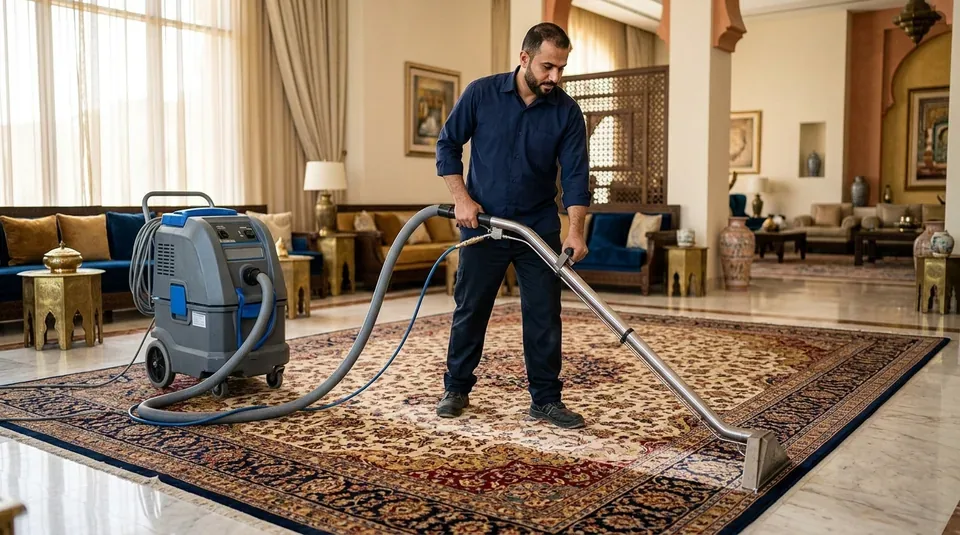
Carpet extraction and cleaning equipment after a wetting in a Jeddah home

Key points

  • Stop the water source first and cut power to the wet area
  • Never touch sockets or appliances while standing in water
  • Remove standing water and lift light furniture and rugs
  • Drying within 24 to 48 hours lowers the risk of mold
  • Sewage water needs specialists; do not clean it yourself

Stop the source and cut the power

Close the main or branch water valve feeding the spot, and if the leak comes from the ceiling, call a technician to identify the cause. Then switch off the electricity to the wet room at the breaker panel, but only if you can reach it safely and without standing in water.

Do not touch wet sockets, wires or appliances, and do not run electrical equipment that has been soaked before it is checked. If you are unsure, call an electrician.

Safety checklist

  • Close the water source
  • Cut power to the area
  • Never stand in water when touching electrics
  • Keep children and pets away

Identify the type of water

Clean water from a supply pipe differs from grey water from a washing machine or black water from sewage. The latter may carry contaminants and should not be touched or cleaned without proper equipment and protection.

If you are unsure of the type of water or the area is large, contact a qualified party and clear the room of people and animals.

How to respond

  • Clean water: drying and ordinary cleaning
  • Grey water: wash surfaces and dry faster
  • Sewage: keep away and call specialists
  • Photograph before moving things
Items

What to do with each item in 48 hours

Priority goes to what absorbs water and holds moisture.

ItemFirst actionThenNote
Marble or ceramic floorSqueegee the water and dryVentilate and check grout linesWater can run under tiles
Carpet and fitted carpetLift the rug or extract the waterDry in a ventilated placeGlued carpet needs special extraction
Sofas and upholsteryLift off the water and remove coversDry and assess the paddingHeavily soaked padding may not be saved
MattressMove it from the water and dry itAssess padding and moldFoam holds water for a long time
Wooden furnitureWipe the water and lift it off the floorDry slowly without strong heatHigh heat can warp wood

The smell comes before the stain

A musty, damp-earth smell is an earlier signal than the stain itself. If you notice it when opening a room or wardrobe after a long closure, look for the source rather than covering it with air freshener; fragrance hides the warning without fixing the cause.

Watch paper, books and cardboard boxes too, since they absorb moisture quickly and act as early indicators. Paint that bubbles or flakes, or white salt crust on a wall, usually points to rising damp or a leak rather than a surface stain.

Telling mold from dirt and scale

Not every dark mark is mold. Dirt, smoke and soap residue can look similar. A simple test: wipe a small area with a damp cloth and a mild household cleaner. If it lifts easily it is probably dirt; if it returns quickly in the same place with a damp smell, suspect mold.

White, rough deposits in bathrooms and kitchens are mineral scale from water, not mold, and need a different treatment.

Practical ventilation and drying

Open windows and doors to move air, and run fans toward the wet surfaces. Household dehumidifiers can help in closed rooms. Avoid strong direct heat on wood and delicate fabrics.

Watch the walls under the paint and around plumbing openings, since moisture can travel behind them and not show at first.

Helpful tools

  • Ventilation fans
  • Household dehumidifiers
  • A rubber squeegee and sponges
  • Dry towels to swap in

Cleaning after it dries

Once visible wetness is gone, clean surfaces with mild soap to remove mud or dirt the water brought, then dry again. Carpets and sofas that were wet need washing to remove grit and smell after the water has been extracted.

If a damp smell or dark spots appear, do not cover them with fragrance; treat the cause with deeper drying or a specialist check.

Signs that need attention

  • A damp smell that returns
  • Dark or green spots on walls
  • Paint bubbling or peeling
  • Wood floors that warp

Documentation and contact

Photograph every area before and after moving things, and keep a note of the dates, since this helps when speaking to the landlord or an insurer if needed. Do not throw away damaged items before documenting them if that is required.

Then have the source of the leak repaired by a qualified technician so it does not recur.

Record

  • Before and after photos
  • Date and place of the event
  • A list of damaged items
  • Repair receipts if any
The team

When to call a cleaning team after a leak

Some cases can be managed at home, and some need equipment.

SituationYou can manageA specialist team is better
Limited wetting on a hard floorSqueegee and fansIf there is leakage behind tiles
A large wet carpet or fitted carpetDelay is not advisedExtraction and suitable washing
Wet sofas or mattressesLift and start dryingAssessment of the padding and washing
A mold smell after several daysHiding it is not suitableInspection, drying and specialist cleaning
Sewage waterDo not handle it yourselfSpecialists with protective equipment

The smell comes before the stain

A musty, damp-earth smell is an earlier signal than the stain itself. If you notice it when opening a room or wardrobe after a long closure, look for the source rather than covering it with air freshener; fragrance hides the warning without fixing the cause.

Watch paper, books and cardboard boxes too, since they absorb moisture quickly and act as early indicators. Paint that bubbles or flakes, or white salt crust on a wall, usually points to rising damp or a leak rather than a surface stain.

Telling mold from dirt and scale

Not every dark mark is mold. Dirt, smoke and soap residue can look similar. A simple test: wipe a small area with a damp cloth and a mild household cleaner. If it lifts easily it is probably dirt; if it returns quickly in the same place with a damp smell, suspect mold.

White, rough deposits in bathrooms and kitchens are mineral scale from water, not mold, and need a different treatment.

FAQ

Frequently asked questions after a water leak at home

General answers that do not replace a plumber, electrician or specialist.

How long should I wait before starting to dry?+

Start as soon as the electricity and the water source are secured; delay lets fabrics and porous materials absorb more water and raises the risk of smell and mold.

Should I use the AC to dry the room?+

It may help lower humidity once the electrics are confirmed safe, but it does not replace ventilation and removing standing water, and the unit must not have been affected by the water.

Can a sofa be saved after getting wet?+

It depends on how much water, the padding type and how long it stayed wet. Early drying and assessment improve the chances, but results cannot be guaranteed for every piece.

When does mold appear after a leak?+

It can start within days if moisture remains, and speed varies with heat and materials, which is why drying within the first two days is advised.

Should I throw out a wet carpet?+

Not necessarily. A clean wet carpet may be extracted and dried, whereas one contaminated by sewage or badly moldy may not be suitable for home cleaning.

Do I need a plumber before cleaning?+

Yes, the source of the leak must be repaired so water does not return after cleaning.

When is the best time to wash a carpet after a leak?+

After the water is extracted and the underlay condition is known, and in coordination with the team so there is enough time to dry.

How do I request a team after a leak in Jeddah?+

Contact us on WhatsApp with photos, the location, approximate area and the type of water if known, and we will suggest the right step.

Wetness at home and need washing and drying?

Send us photos, the area size and the type of furniture and furnishings affected, and we will help you decide the right step in Jeddah.

CallWhatsAppGet Quote