

Identifying House Mice vs. Roof Rats & Norway Rats by Droppings, Gnaw Marks & Movement Paths
One of the most frequent reasons DIY rodent control fails is mistaking a young rat for a house mouse—or vice versa. The House Mouse (Mus musculus) is not a juvenile rat; it is a distinct species with completely different physical capabilities and foraging habits. An adult house mouse weighs only 15 to 30 grams, leaves tiny rice-sized droppings (3–6 mm) with pointed tips, and can squeeze its skull through a gap as narrow as 6 millimeters. Mice are naturally curious explorers that establish compact territories (often just 3 to 10 meters wide) inside kitchen cabinets, behind warm refrigerator motors, and inside pantry boxes.
By contrast, urban rat infestations involve two primary heavy-bodied species. The Roof Rat (Rattus rattus)—also known as the black rat or ship rat—weighs 150 to 250 grams, has a sleek body with a tail longer than its head and body combined, and leaves curved, spindle-shaped droppings measuring 12 to 15 millimeters. It is an agile climber that travels along overhead pipes, utility cables, and trees to nest inside suspended gypsum ceilings (false ceilings). The Norway Rat (Rattus norvegicus)—often called the brown or sewer rat—is a heavy, blunt-nosed rodent weighing 250 to 450 grams with a tail shorter than its body and thick, capsule-shaped droppings up to 20 millimeters long. It prefers ground-level living, excavating soil burrows beside courtyard slabs and emerging from drainage manholes.
Recognizing these distinctions is critical for successful control. Setting a small wooden mouse trap along a rat runway will merely snap on a rat’s toe or snout, teaching the rat to avoid all traps thereafter (trap shyness). Furthermore, whereas mice investigate new objects rapidly, both roof rats and Norway rats exhibit pronounced neophobia—an instinctive avoidance of any unfamiliar box or trap placed in their path for several days until they become habituated to its presence.
- Examine dropping size carefully: 3–6 mm rice-like pellets inside kitchen drawers indicate house mice; 12–20 mm olive-pit-sized pellets indicate rats.
- Note the vertical zone of activity: scurrying sounds inside suspended ceilings and AC ducts point strongly to climbing Roof Rats.
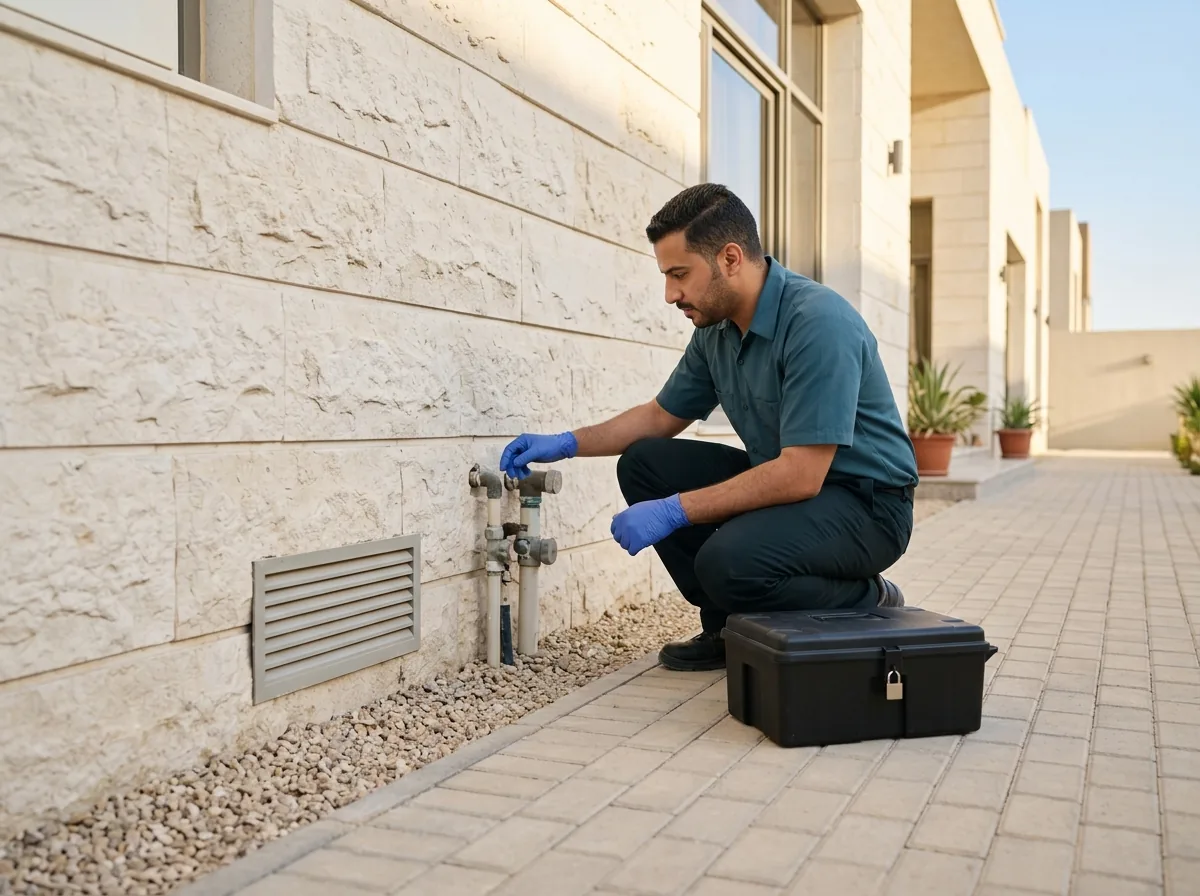
- Check exterior soil and paving edges: 5–8 cm excavated burrows beside courtyard tiles or manholes indicate ground-dwelling Norway Rats.
- Inspect overhead pipes and wall corners for dark, greasy rub marks (smears) left by the oily fur of rats traveling the same route nightly.
- Always match mechanical trap size and trigger tension to the diagnosed species to ensure humane, decisive capture without inducing trap shyness.